List of site options will be available when registration opens on Friday, September 1.
Why Volunteer?
By 2050, there could be more plastic than fish by weight in the world’s oceans if we don’t defend our waterways from litter.
Because we LOVE where we live.
Why Volunteer?
By 2050, there could be more plastic than fish by weight in the world’s oceans if we don’t defend our waterways from litter.
Because we LOVE where we live.
About
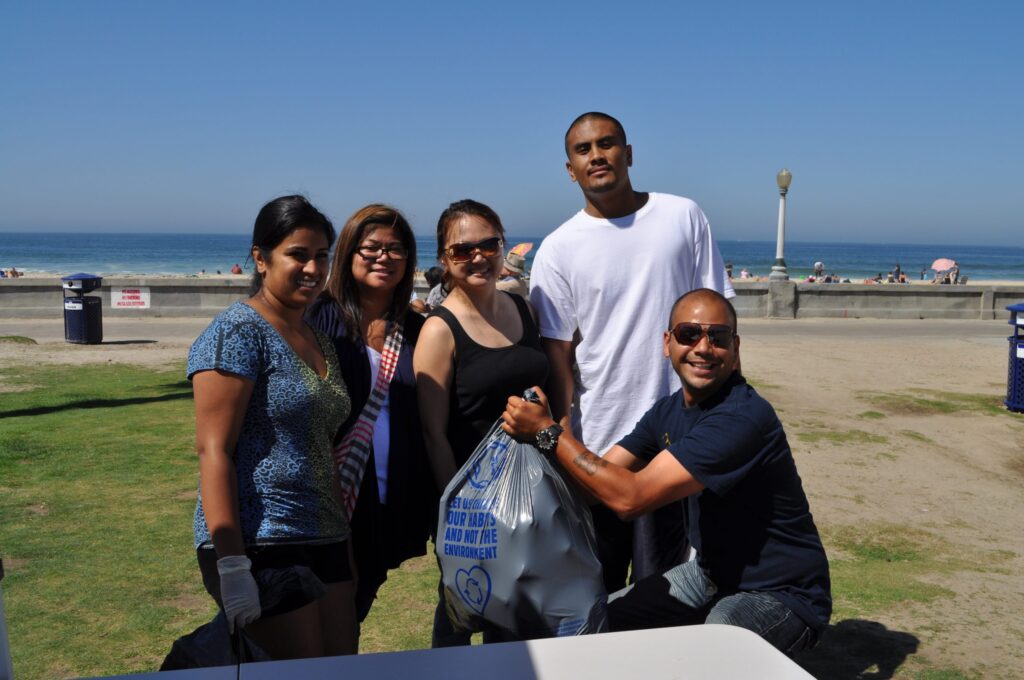
Over 269,000 volunteers and 5 million pounds of litter and debris removed since 1985.
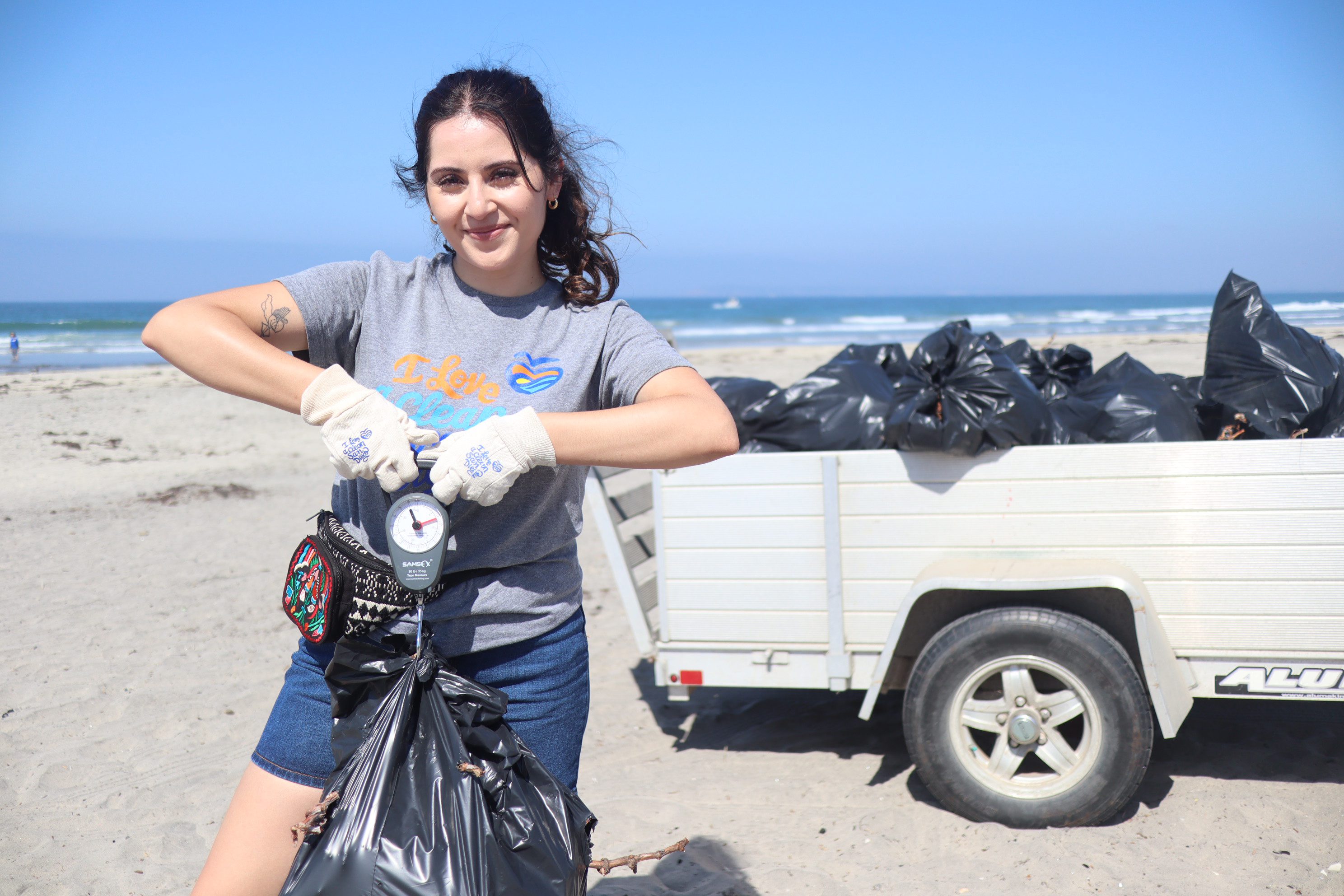
I Love A Clean San Diego has served as the official organizer of Coastal Cleanup Day in San Diego County since it was founded in 1985. The event is a major part of International Coastal Cleanup, which is facilitated by The Ocean Conservancy and includes many U.S. states and territories and over 70 countries. In California, data is reported to the California Coastal Commission to be funneled into the world’s largest marine database. You are joining hundreds of thousands of volunteers all over the world to remove pollution from our ecosystems!
Corporate partnership is critical to sustaining these vital events that protect our waterways and marine life. Our partnerships are turnkey and create excellent employee volunteer opportunities. Check out our Sponsorship Deck for more information on how to get support this event today!
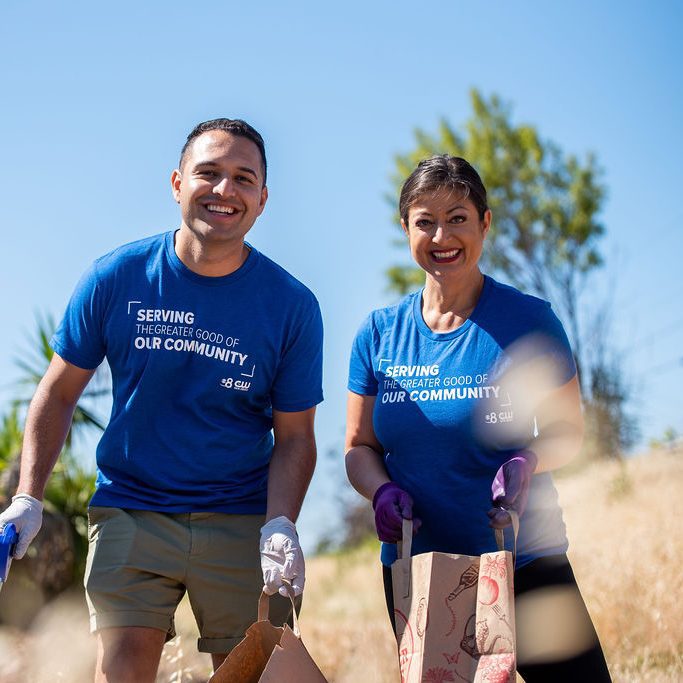
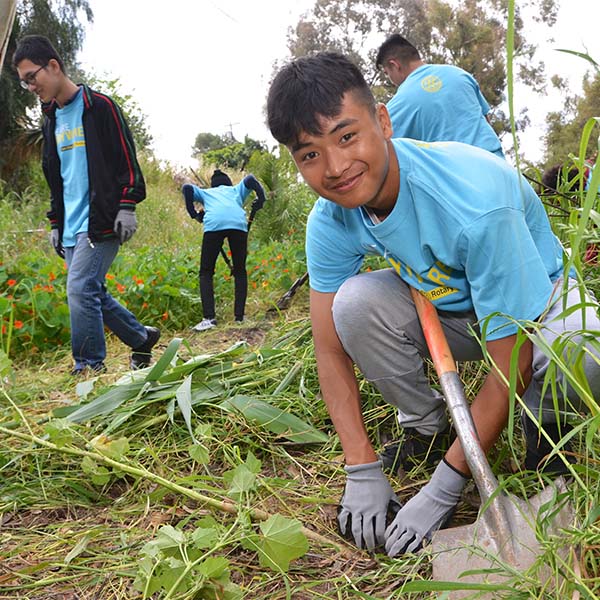
You can sign up as a volunteer at our more than 100 cleanup sites throughout the County. Complete cleanup site list will be posted on September 1 when registration opens.
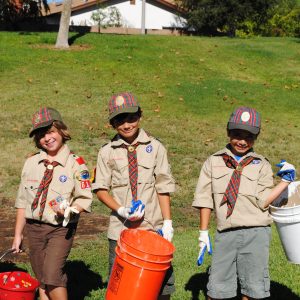
I Love A Clean San Diego is proud to offer scout troops and interested volunteers a commemorative patch to recognize your volunteerism and participation!
Can’t participate in Coastal Cleanup Day? Join us for our Fall Social!
I Love A Clean San Diego’s Fall Social returns on Thursday, October 12! Join us from 5:30-8:30 pm at the Catamaran Resort Hotel and Spa as the sun sets behind Mission Bay for a celebration of environmental action in our community. Enjoy live music, delicious food and drink, awards recognizing ILACSD’s community members and partners, and the opportunity to bid on auction items.
The Fair is taking place at the EUSD Farm Lab (10 AM – 1 PM) at 441 Quail Gardens Drive, Encinitas, CA 92024.
Q: Where can I park?
There is limited parking at the Farm Lab. Guests can park in the lot on the north west side of the Farm. Overflow parking is on the curb across the street between the Botanic Garden and Heritage Ranch.
Q: How can I volunteer?
You can create a profile on our Community Hub to prepare for the 2022 Zero Waste Fair and stay up to date with other volunteer opportunities throughout the year.